
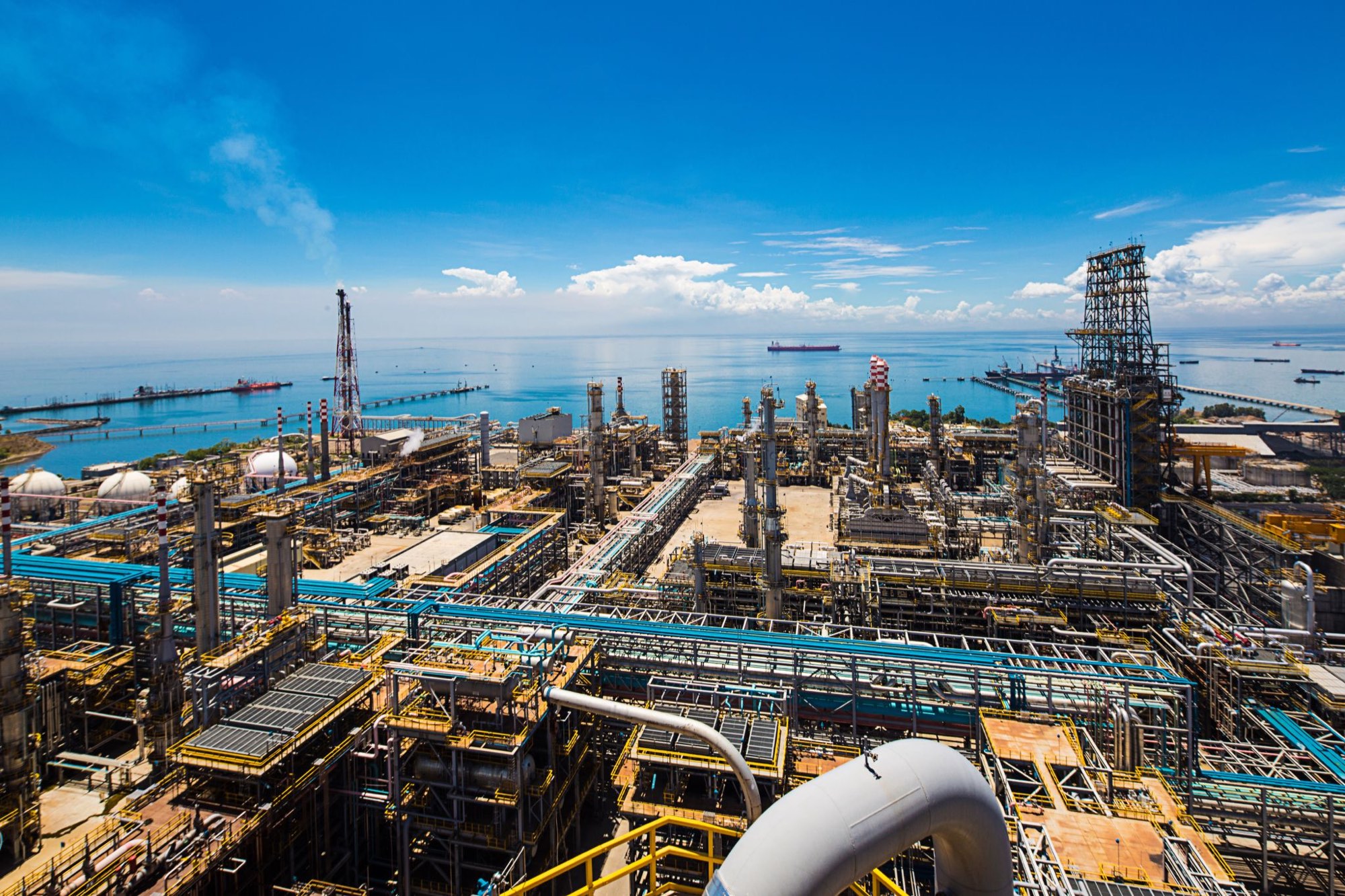
LSTK stands for Lump Sum Turnkey: one contractor takes single point responsibility to design, procure, construct and commission a facility for one fixed price, then hands it over ready to operate. The owner buys certainty of cost and completion. The contractor sells it, and every risk left out of the tender price comes out of its margin.
LSTK full form and meaning
The LSTK full form is Lump Sum Turnkey, and each half carries its own promise. Lump sum is the price: one agreed amount for the whole scope, paid against milestones and not remeasured against the quantities built. Turnkey is the deliverable: a tested facility the owner can start up by turning the key.
FIDIC's description of its 1999 EPC/Turnkey form uses almost the same words: a contractor that carries out all the engineering, procurement and construction, providing 'a fully-equipped facility, ready for operation'. The commercial point is single point responsibility. If the plant underperforms, the owner has one party to pursue.
An LSTK contractor, in full a Lump Sum Turnkey contractor, is the company or consortium that signs that promise. The model is common in oil and gas, power, desalination and process plant work across the Middle East, Asia and Africa, because owners and lenders want a price they can finance.
How does an LSTK contract work?
The owner, usually through an engineering consultant, prepares a front-end engineering design (FEED) package and Employer's Requirements that define capacity, product quality, performance guarantees, codes and battery limits. Bidders scrutinise the package, develop enough design to price it, and return one lump sum with a completion date.
After award, the contractor turns the FEED into detailed engineering, procures, builds and commissions. Payment follows Clause 14 against a schedule of payments, often milestones, or failing one the estimated value of work done, not measured quantities. Under the Silver Book, the Time for Completion includes passing the Tests on Completion, so mechanical completion is not the finish line.
Two damages regimes hang over the end of the job. Delay damages run if the Time for Completion is missed (Sub-Clause 8.7 of the 1999 Silver Book, 8.8 of 2017). Performance damages run if the plant misses its guaranteed output or efficiency, under Sub-Clause 12.4 where the contract states them. Before that, Sub-Clause 9.4 lets the employer order retests of failed Tests on Completion, reject the works in serious cases, or take them over at a reduced Contract Price or against performance damages. You are not paid for building a plant. You are paid for a plant that works.
LSTK vs EPC vs EPCM vs remeasurement
| Factor (unamended terms) | LSTK | EPC | EPCM | Remeasurement |
|---|---|---|---|---|
| Price basis | One lump sum, adjusted only through the contract | Often lump sum, sometimes reimbursable or converted after FEED | Services fee. The owner pays construction cost | Tendered rates times quantities built |
| Design responsibility | Contractor, including FEED errors outside the carve-outs | Contractor, as the chosen form allocates it | Owner, through the EPCM consultant | Owner |
| Quantity risk | Contractor | Contractor, if lump sum | Owner | Owner |
| Ground risk | Contractor under the unamended Silver Book | Contractor (Silver Book) or owner for unforeseeable conditions (Yellow Book) | Owner | Owner, if unforeseeable |
| Typical FIDIC book | Silver Book (EPC/Turnkey) | Silver Book, or Yellow Book for closer owner control | None. Usually a services agreement | Red Book |
| Owner control | Low. Sets requirements and reviews | Low to moderate | High. Holds every trade contract | High. Owner design, run by an Engineer |
| Design liability standard | Fitness for purpose (Sub-Clause 4.1) | Fitness for purpose under the Silver or Yellow Book | Reasonable skill and care under a services agreement | Owner's designer, reasonable skill and care |
In Gulf usage, LSTK and EPC travel together, as in 'EPC on an LSTK basis', and the Silver Book joins EPC and turnkey in its title. Strictly, EPC describes what the contractor does, and LSTK describes how it is paid and what it hands over. An EPC contract can be reimbursable, or convert to a lump sum once the FEED matures. An LSTK contract is a lump sum by definition.
EPCM is a different animal. Not a builder. A manager. The EPCM contractor designs, procures and manages construction for the owner, who signs the construction contracts and keeps the cost risk. Accept turnkey risk for an EPCM fee and you have sold insurance at a consultant's rate. Our guide to the remeasurement contract compares lump sum, remeasured and reimbursable pricing.
Where does the risk sit under the FIDIC Silver Book?
FIDIC's turnkey form is the Conditions of Contract for EPC/Turnkey Projects, the Silver Book, published in 1999 and 2017 editions. It buys the employer certainty of final price and completion date by moving risk to the contractor.
Sub-Clause 4.12, Unforeseeable Difficulties, is the centre of gravity. The contractor accepts 'total responsibility for having foreseen all difficulties and costs of successfully completing the Works', and the Contract Price is not adjusted for unforeseen difficulties or costs. Under the Red and Yellow Books, unforeseeable physical conditions can earn time and money. Under the unamended Silver Book, unexpected rock is usually a cost of the job. The narrow exception is wrong site data from the employer that the contractor could not verify, a carve-out tribunals read tightly.
Sub-Clause 5.1 does the same for design. The contractor is deemed to have scrutinised the Employer's Requirements before the Base Date, 28 days before the tender deadline, and the employer is not responsible for errors in them outside narrow carve-outs. Those cover portions stated to be immutable or the employer's responsibility, definitions of the intended purposes of the works, testing and performance criteria, and data the contractor cannot verify. A wrong line in the owner's FEED is the contractor's cost unless a carve-out catches it.
The design standard is also higher than most bidders assume. Sub-Clause 4.1 requires the completed Works to be fit for the purposes defined in the Contract, which is a promise of a result, not of reasonable skill and care. Professional indemnity cover is commonly written on a skill and care basis, so the gap between the two is margin the contractor carries uninsured.
There is no independent Engineer either. Under the 1999 edition the employer itself determines claims. Under 2017 its Employer's Representative does, and Sub-Clause 3.5 says the representative is not deemed to act for the employer while determining. It is neutral on paper, but the representative is still appointed and paid by the employer, so build every claim for a sceptical first reader. The extension of time clause also drops the Red and Yellow Book ground for exceptionally adverse climatic conditions, so an exceptionally wet season earns no time unless the particular conditions add it or it rises to an Exceptional Event. Check FIDIC 2017 vs 1999 before citing a sub-clause, because numbers move between editions.
FIDIC's own Silver Book page lists where the form is not suitable. Tenderers may lack the time or information to scrutinise the Employer's Requirements, construction may involve substantial underground work they cannot inspect unless special provisions are provided to account for unforeseen conditions, or the employer may intend to supervise closely. A Silver Book tender with a three-week bid period and a thin geotechnical report ignores that advice. Price it accordingly.
What does LSTK basis mean in a tender?
LSTK basis means a bidder prices the complete turnkey scope as one lump sum. Unless the documents carve out provisional sums or rate-based items, nothing is remeasured or reimbursed, and completion means a facility that has passed its tests. Whatever the bidder does not exclude or qualify is treated as included.
The Silver Book adds a sufficiency clause, Sub-Clause 4.11 in both editions, deeming the contractor satisfied that its price covers all its obligations. That makes the deviation list the most valuable commercial document on the job. A qualification accepted into the contract is a risk the owner kept. One withdrawn in the final negotiation round is a risk you bought, usually at no premium.
What must an LSTK contractor price?
An LSTK price is not an estimate with a margin on top. It is a promise wrapped around every risk the contract does not hand back. That covers design growth from FEED, bulk quantities, ground, weather, procurement prices, currency, interfaces, commissioning, damages, bonds and insurances.
Take an illustrative QAR 200 million LSTK package carrying a 4% allowance for design growth, or QAR 8 million. Strip it out to win the bid and the first detailed piping drawings tend to take it back. A risk can be foreseeable and still unrecoverable. The problem is rarely that LSTK contractors cannot see the risks. It is that they price them by hope instead of by a register.
How can an LSTK price change after signing?
It can, but only through the contract's own doors. A Variation under the Silver Book is a change to the Employer's Requirements or the Works, instructed or approved under Clause 13, and it adjusts the lump sum. Changes in law are adjusted under Sub-Clause 13.7 of the 1999 edition and 13.6 of 2017. Escalation counts only where the contract includes a cost adjustment provision, which a price adjustment calculator helps you test.
Employer delay opens another door. The extension of time clause (8.4 in 1999, 8.5 in 2017) covers Variations, delays that other sub-clauses expressly recognise, and delay or prevention caused by the employer. Errors in the carve-outs, employer suspension and Exceptional Events (Clause 18 in 2017, Force Majeure under Clause 19 in 1999) can found further claims. Most run through the claims procedure and its 28-day notice under Sub-Clause 20.1 (1999) or 20.2 (2017).
The fight on most LSTK jobs is not whether variations exist. It is where design development ends and change begins. The owner will call a tightened specification or a revised vendor list design development. The contractor must show a change to the Employer's Requirements, instructed and notified on time, which is exactly where variations on lump sum and LSTK contracts are won or lost.
Governing law can occasionally reopen a fixed price too. The civil codes of Qatar and the UAE contain a hardship provision for exceptional, unforeseeable events of a general nature that make performance excessively onerous. In Qatar a court or tribunal can reduce the obligation to a reasonable level. The UAE's new Civil Transactions Law, which applies to contracts made from 1 June 2026, also allows termination, and for lump sum construction work it lets the court or tribunal extend time or adjust the price. That is a narrow remedy, not a repair kit for an underpriced bid, as our piece on pacta sunt servanda and hardship explains.
In CALIM's experience across dozens of engagements, lump sum and LSTK margins are rarely lost to one dramatic event. They leak through design growth nobody priced, qualifications traded away in the last negotiation round, and instructions never notified as Variations.
At CALIM, we review LSTK tender packages and deviation lists before the price is fixed, then run the change register and notice calendar through delivery. That is the work of our commercial management for SME contractors.
Frequently Asked Questions
What is the full form of LSTK?
The full form of LSTK is Lump Sum Turnkey. It describes a contract in which one contractor takes single point responsibility to design, procure, construct and commission a facility for one fixed price. Lump sum is the price, agreed in advance and not remeasured. Turnkey is the deliverable, a tested facility handed over ready to operate. FIDIC publishes its standard form for this model as the Silver Book.
What is an LSTK contractor?
An LSTK contractor is the company, consortium or joint venture that signs a Lump Sum Turnkey contract and delivers a working facility for a fixed price. It answers to the owner for all the engineering, procurement, construction and commissioning, including its vendors and subcontractors. In return it usually carries design, quantity and much of the site risk, plus delay damages and performance guarantees.
Is LSTK the same as EPC?
Not exactly, although the terms are often used together. EPC, meaning engineering, procurement and construction, describes the contractor's scope of work. LSTK, meaning Lump Sum Turnkey, describes the price and the deliverable: one fixed sum for a facility ready to operate. Many EPC contracts are let on an LSTK basis, and the FIDIC Silver Book is written for EPC/Turnkey projects. But an EPC contract can also be reimbursable, or convert to a lump sum once the design matures.
What does LSTK basis mean?
LSTK basis means the bidder prices the whole turnkey scope as one fixed lump sum, with no remeasurement and no reimbursable items except any stated provisional sums. Completion means a facility that has passed its tests. Anything the bidder does not exclude or qualify is treated as included. Under the FIDIC Silver Book the contractor also accepts responsibility for having foreseen all difficulties and costs, so the tender deviation list is where an LSTK bidder protects itself.
Can an LSTK contract price change after signing?
Yes, but only through mechanisms in the contract. Under the FIDIC Silver Book, the lump sum is adjusted for Variations under Clause 13, changes in law, escalation where a cost adjustment provision applies, and employer delay, which earns time and, where a specific sub-clause or the governing law allows, cost. Apart from instructed Variations and any indexation formula, most adjustments depend on a claim notified within 28 days of the contractor becoming aware of the event. The price will not move for the contractor's own underestimate or for design development the lump sum already includes. Unforeseen ground conditions also stay with the contractor under the unamended Silver Book, unless employer site data it could not verify proves wrong.
On LSTK work, the tender sets the margin and the notices defend it.
Note: This is general information on LSTK contracting under the unamended FIDIC Silver Book, not legal advice, and amendments or the governing law can change any risk described here.
Free tools for this topic
CALIM Contracts Desk
Contracts, Claims & Commercial Advisory
Reviewed for accuracy by CALIM's senior leadership: Dr. Varghese Koshy Panicker (Founder & CEO), Adv. Jayakumar Madapattu (Co-Founder & CLO), Tins Varghese (Co-Founder & CCSO).
This article is general information about construction contract practice, not legal advice. Entitlement, notice requirements and time bars turn on the specific wording of your contract and the governing law, which vary between projects and jurisdictions. Obtain advice tailored to your contract before acting on anything set out here.
Need help with contract strategy?
Talk to a specialist